The UK tax system is evolving. Recent changes, such as the ongoing rollout of Making Tax Digital, are modernising the way we pay tax in the UK.
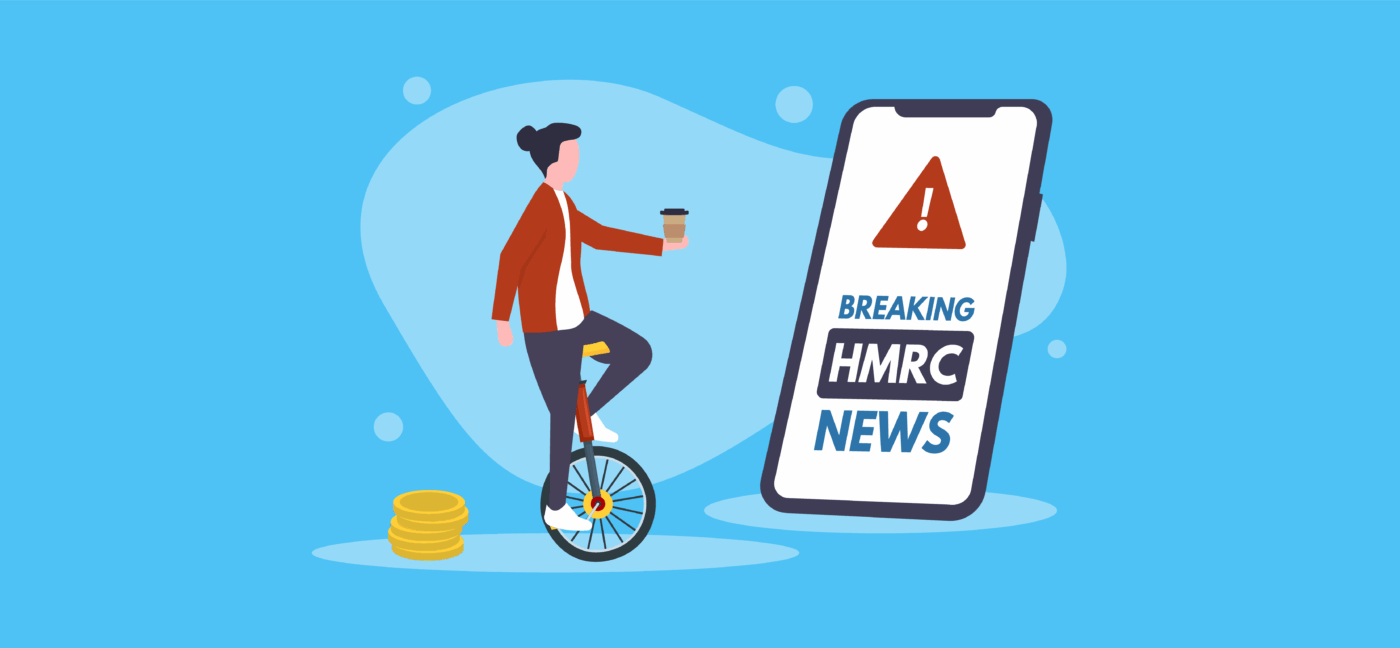
The government showed their commitment to revamping HMRC for the future during the Chancellor’s Budget, with the unexpected announcement of new expense and mileage rates for unicycles.
Our guide explains what these tax rules mean for you and your business.
Mileage allowances and simplified expenses for unicycles
The surprise announcement follows new research into business travel. A rise in people travelling for business using unicycles has resulted in HMRC outlining new mileage rates for business owners and employees reliant on single-wheel travel. The new rates take effect in the new tax year, starting 6th April.
Check out our table for next years’ tax rates and allowances below:
| Business miles in the tax year | Rate per mile |
| Unicycle | 12 shillings |
| Unicycle – whilst carrying home-roasted coffee beans | 18 shillings |
Staying vigilant
Whenever we approach the start of a new tax year or a tax reporting deadline, scammers use this as an opportunity to try and take advantage of taxpayers. Phishing attacks can look sophisticated, with scammers sending fraudulent emails, texts, or WhatsApp messages claiming to be HMRC, with the intention of getting you to reveal your personal details, or make a payment directly to them.
We received this email which claims to be from HMRC. There are a few things wrong with it!
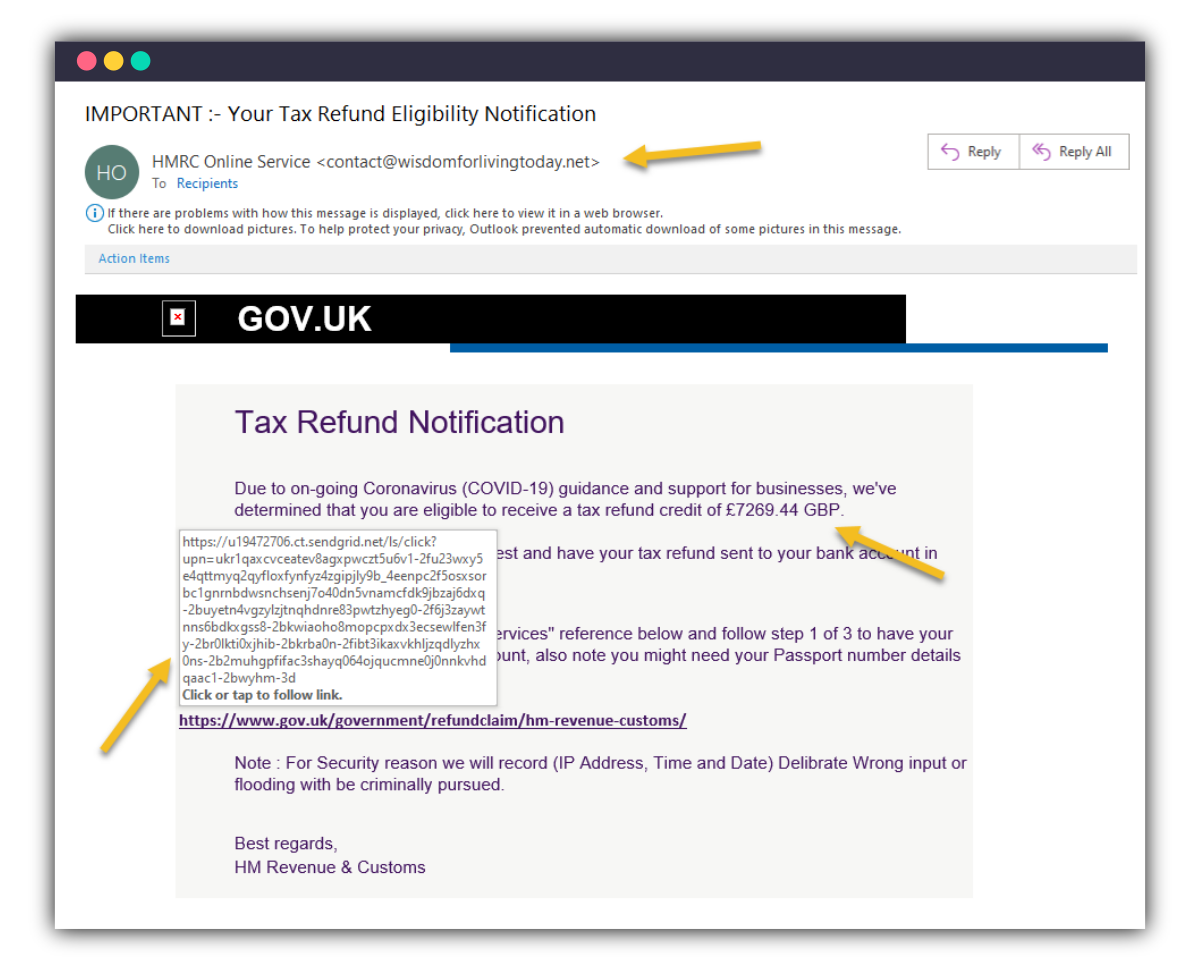
- The sender’s email address isn’t an HMRC or GOV address
- HMRC do not send emails regarding tax refunds
- The website link does not exist as a page on the HMRC or GOV.UK site (you can hover over a link to check this)
- Plus, the general spelling, grammar and tone
What HMRC will and won’t say
It’s easier to fall for scams if you’re brand new in business, and not sure what to expect from HMRC. Some attacks can seem very convincing, even to accountants dealing with HMRC on a daily basis.
Whilst HMRC may well contact you by phone, email, or letter, they will never ask for payment details, bank information, or passwords.
If there are genuine issues which need your attention, such as underpaid tax, you’ll be notified by letter or via your Personal Tax Account.
As a precaution, only use contact information from the HMRC website, and not from any emails or letters. If in doubt – check! Ask your accountant for help, or use HMRC’s contact checking service to check genuine contacts against fraudulent ones.
You might also want to pop that unicycle back in the shed. Learn more about our online accounting services for businesses on any number of wheels (or none). Call one of the team on 020 3355 4047 or get an instant online quote.
Want to learn more?
Subscribe to our newsletter to get accounting tips like this right to your inbox